India is not a country you simply visit; it is an experience that wraps around you, shifts your perspective, and remains in your memory long after you have left. From the towering snow-capped ridges of the Himalayas to the tropical palm-fringed canals of the south, it is a land of staggering geographic diversity, rich royal histories, and deep spiritual traditions. In this guide, we explore ten extraordinary destinations across India that offer more than mere sightseeing—they invite you to slow down, engage your senses, and immerse yourself in one of the world's most vibrant cultures.
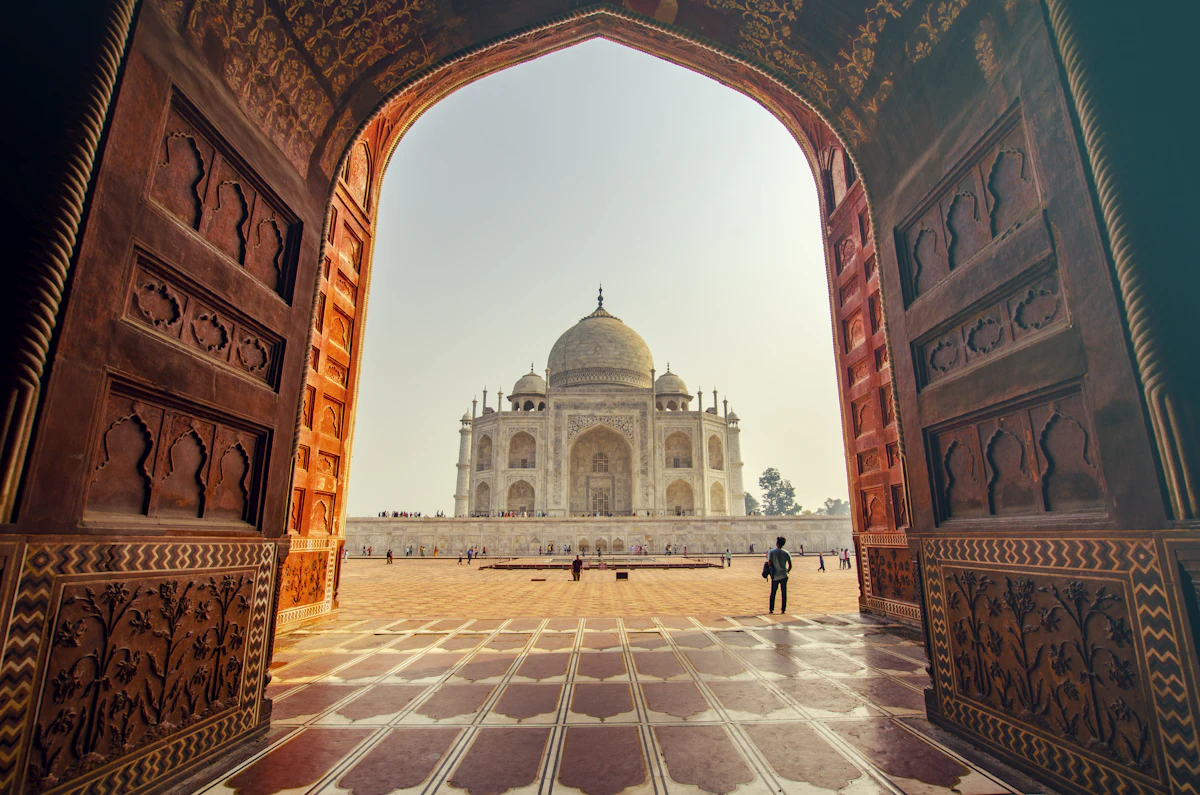
1. The Taj Mahal, Agra: The Monument of Eternal Love
A symmetrical masterpiece of white Makrana marble that changes color with the shifting sun—soft peach-pink at dawn, brilliant pearlescent white at midday, and a cool, golden-grey under the moon. Built by the Mughal Emperor Shah Jahan in memory of his favorite wife Mumtaz Mahal, it sits on the banks of the Yamuna River, framed by dark green cypress trees and reflecting pools. To walk its stone pathways at sunrise, as the early morning mist rises from the river, is to witness light itself become poetry.
2. Jaipur, Rajasthan: The Terracotta-Pink City
Painted terracotta pink in 1876 to welcome Prince Albert, Jaipur is a vibrant sensory kaleidoscope of historic palaces, bustling spice markets, and ancient observatory structures. The intricate, honeycomb facade of the Hawa Mahal (Palace of Winds) allowed royal women to observe street festivals unseen, while the Amber Fort stands high on a ridge overlooking Maota Lake. The city smells of cardamom tea, block-printed indigo linens, and camel leather.

3. Varanasi, Uttar Pradesh: The Spiritual Heart on the Ganges
One of the oldest continuously inhabited cities on Earth, Varanasi (Kashi) clings to the high crescent banks of the sacred Ganges River. Here, life and death are visible side-by-side along the stone steps, or ghats. In the evening, the air is thick with camphor, sandalwood incense, and the echoing ring of temple bells during the Ganga Aarti ceremony, as oil lamps are floated down the dark river like tiny stars.

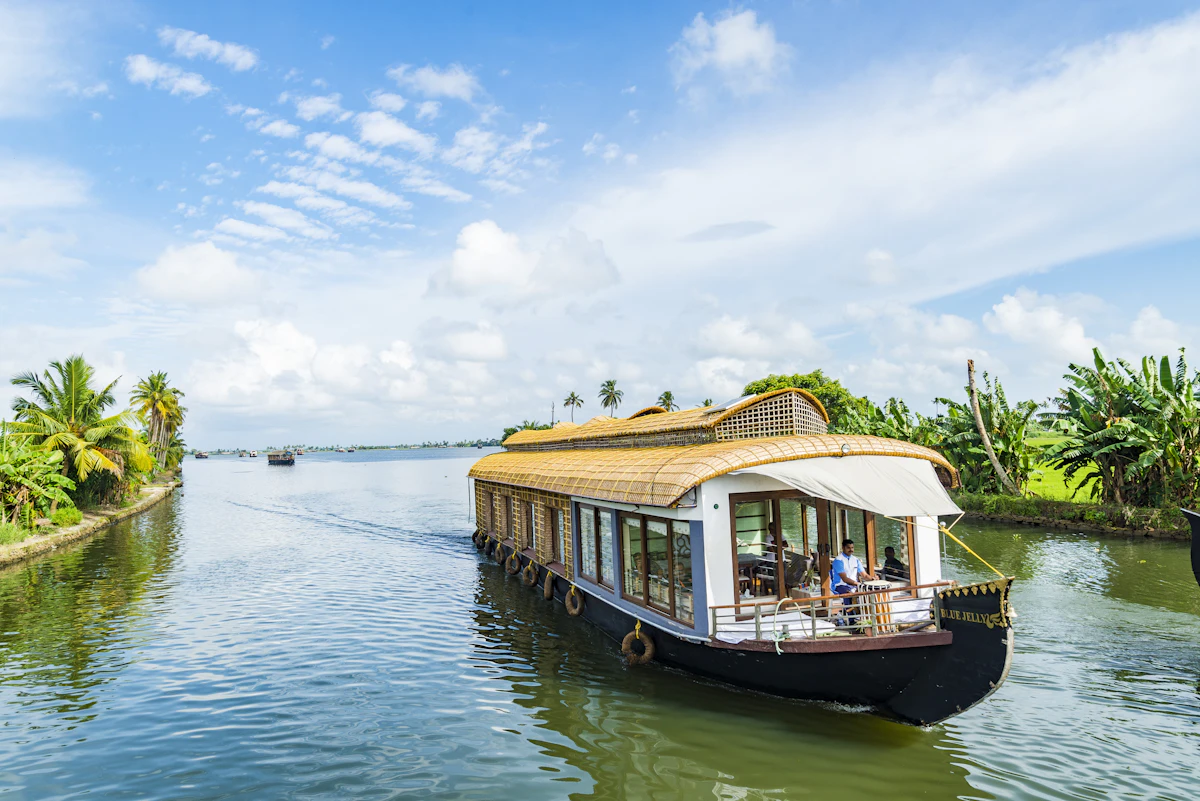
4. Kerala Backwaters, Alleppey: The Quiet Tropics
A labyrinthine network of palm-fringed canals, lakes, and rivers, the backwaters of Kerala represent the epitome of slow travel in India. Drifting silently on a traditional thatched houseboat (kettuvallam) crafted from jackwood and coir, you watch rural life unfold along the banks—children walking to school along narrow dikes, women washing brass pots, and blue-breasted kingfishers diving into the water.
5. Leh & Ladakh: The High-Altitude Mountain Wilderness
Tucked away in the rain shadow of the Himalayas, Ladakh is a stark, high-altitude desert of wind-sculpted granite, pristine cobalt lakes like Pangong Tso, and ancient Tibetan Buddhist monasteries that cling to rocky crags. The air is thin and cold, smelling of dry pine needles, juniper incense, and warm butter tea, while colorful prayer flags flutter against an impossibly deep-blue sky.

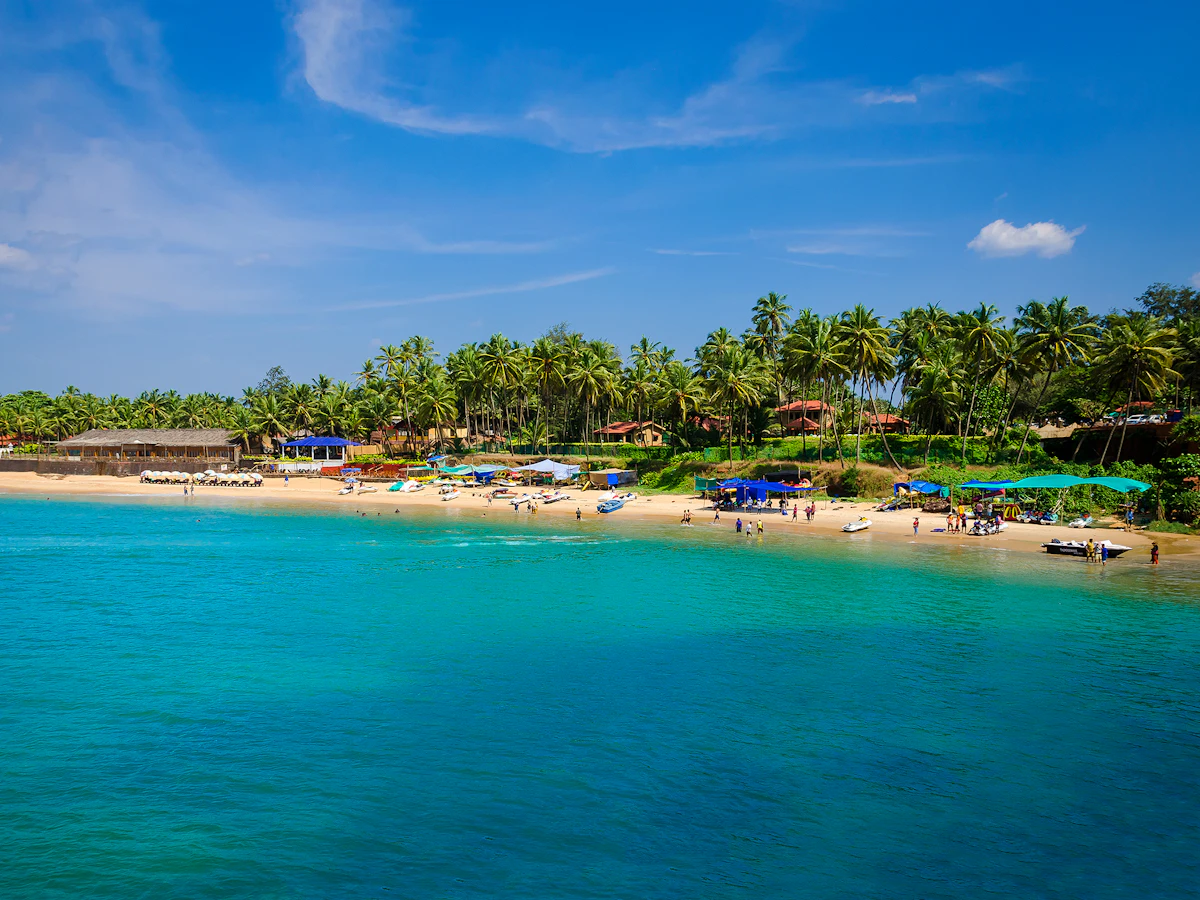
6. Goa: Coastlines, Palm Groves, and Colonial Heritage
Known for its golden sand beaches along the Arabian Sea, Goa is a unique blend of Indian and Portuguese cultures. Beyond the lively beaches of the north lie the historic, whitewashed churches of Old Goa and the quiet, palm-shaded coves of the south. In the late afternoon, the smell of spicy fish curry and coconut feni drifts from beach shacks as the sun sets over the ocean.
7. Hampi, Karnataka: The Boulder-Strewn Ruins of Empire
The capital of the historic Vijayanagara Empire, Hampi is a surreal landscape of giant granite boulders balanced precariously over green banana plantations and rice paddies. The ruins of temples, royal pavilions, and stone aqueducts stretch for miles, overseen by the active Virupaksha Temple. Sunset from Matanga Hill offers a panoramic view that feels like looking at another planet.

8. Udaipur, Rajasthan: The Romantic City of Lakes
Surrounded by the arid Aravalli Hills, Udaipur is a romantic oasis defined by its interconnected freshwater lakes. The towering City Palace complex dominates the skyline, while the white marble Lake Palace appears to float on the waters of Lake Pichola. In the evening, the palace walls turn amber, reflecting off the water where wooden rowboats drift under the stars.

9. Ranthambore, Rajasthan: In the Kingdom of the Wild Tiger
A historic royal hunting ground turned national park, Ranthambore is one of the best places in India to see the Royal Bengal Tiger in the wild. Deciduous forests, dry bushland, and quiet lakes are overlooked by the massive 10th-century Ranthambore Fort. Seeing a tiger slip through the ruins of ancient archways is a cinematic, unforgettable experience.

10. Munnar, Kerala: The Mist-Clad Emerald Tea Hills
Perched high in the Western Ghats, Munnar is a cool retreat where rolling hills are draped in carpet-like tea plantations. The morning mist clings to the valleys, and the air is crisp, smelling of fresh tea leaves, wild cardamom, and eucalyptus. Trekking through the green ridges of the Anamudi peak reveals sweeping vistas of south India’s premier hill country.

🚀 Adventure Tip: Respect and Pace
India is vast and can overwhelm the senses. Rather than trying to see everything, pick one or two regions (like the northern desert state of Rajasthan or the southern tropical state of Kerala) and explore them slowly. Travel by train where possible to experience the legendary hospitality and changing landscapes of the country.