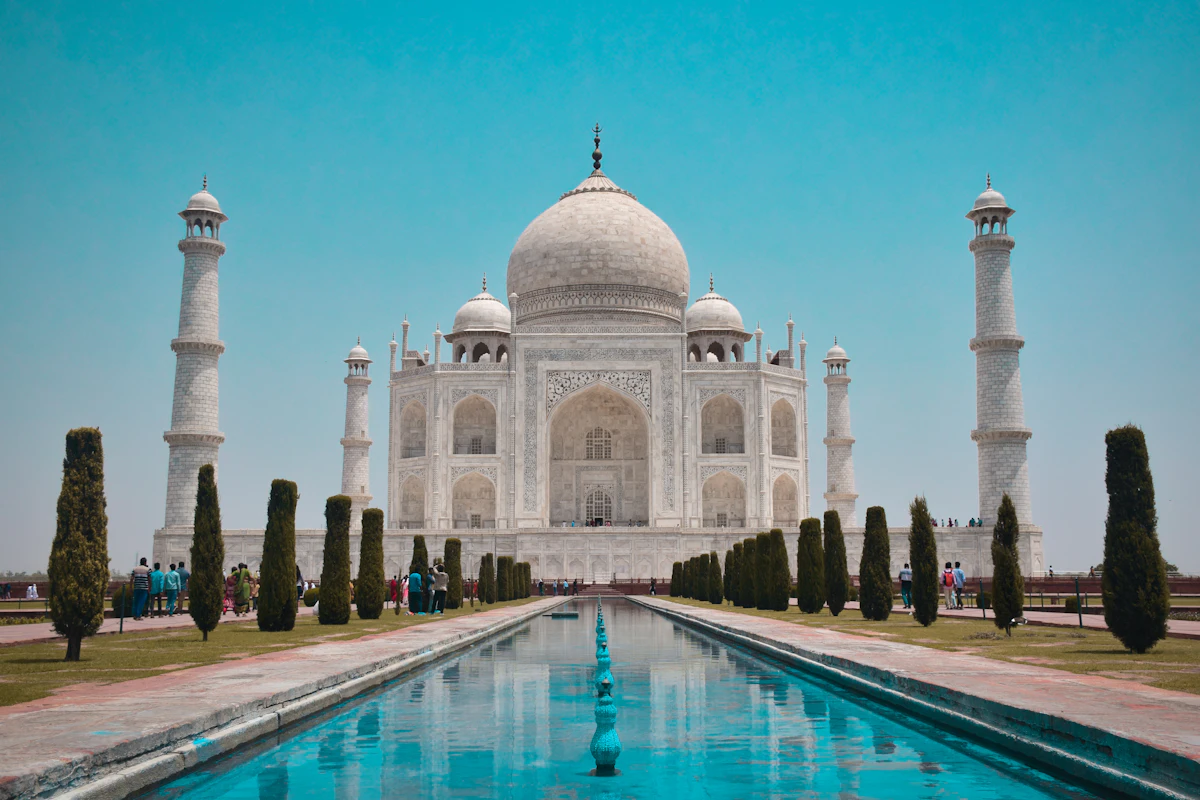
There is an unsettling paradox in modern travel: the very act of sharing a beautiful place can lead to its eventual dilution. From the fairy-tale streets of Hallstatt to the cliffside villages of the Cinque Terre, destinations that once thrived on quiet authenticity are now groaning under the weight of self-reinforcing tourism loops. But Europe is large, and its corners are deep. Beyond the reach of the viral travel algorithms, there are still places where the bread is baked by families, the slate streets are quiet at midday, and travel feels like an invitation rather than a transaction.
The Instagram Effect and Slow Travel
Social media has turned travel into a series of visual checkpoints. A single viral image can direct thousands of visitors to a precise GPS coordinate, creating a monoculture of posed photos and souvenir stalls. Slow travel offers the antidote. It is a commitment to staying longer, moving slower, and choosing destinations not for their photogenic vanity, but for their living culture. The ten villages below represent this philosophy—each offering a distinct window into Europe's diverse heritage, far away from the influencer crowds.
1. Beilstein, Germany: The Sleeping Beauty of the Moselle
Often bypassed in favor of its larger, more famous neighbor Cochem, the tiny village of Beilstein is tucked into a sharp bend of the Mosel River. Known locally as the 'Sleeping Beauty of the Moselle,' the village has remained largely unchanged since the end of the Thirty Years' War. The air smells of damp slate and fermenting Riesling grapes. Narrow, cobbled steps wind upward between timber-framed merchant houses, eventually leading to the ruins of Metternich Castle. From the castle terrace, you can watch the river barges navigate the quiet currents below while enjoying a glass of locally harvested white wine.

2. Casole d'Elsa, Italy: A Quiet Hilltop in Tuscany
Tuscany is synonymous with postcard views, but many of its hilltop towns are now dominated by day-trippers. Casole d'Elsa, located in the Sienese hills, is a welcome exception. Life here still revolves around the daily rhythms of its residents. In the morning, the scent of espresso and warm brioche drifts from the local bakery across the central piazza. The village's medieval stone walls offer 360-degree views of rolling hills, olive groves, and vineyards that glow with a brilliant copper light as the sun begins to set.

3. Pesariis, Italy: The Clockmaker's Alpine Retreat
Tucked away in the Carnic Alps of Friuli-Venezia Giulia, Pesariis is a village that marches to its own beat. Since the 17th century, this isolated mountain community has been a center for clockmaking, producing monumental timepieces for towers across Europe. Today, Pesariis is an open-air museum of time. Walking through the quiet stone pathways, you will encounter a series of monumental clocks—including water-driven wheels, astronomical sundials, and giant mechanical flip clocks—ticking softly against the roar of the mountain streams.

“True travel is not about showing the world where you have been, but finding a quiet space where the world can show itself to you.”— The Slow Traveler's Almanac
4. Livno, Bosnia & Herzegovina: Wild Horses of the Cincar Karst
Livno is a historic Balkan crossroads, but its true treasure lies on the vast, windswept Krug Plateau above the town. Here, beneath the peaks of Mount Cincar, a herd of over 800 semi-wild horses has roamed freely for more than half a century. Originally released by farmers facing mechanization in the 1970s, the horses have adapted perfectly to the harsh karst landscape. Watching them run across the golden plateau in the late afternoon is a breathtaking spectacle that feels completely untouched by modern tourism.
5. Lake Bohinj, Slovenia: Silence in the Julian Alps
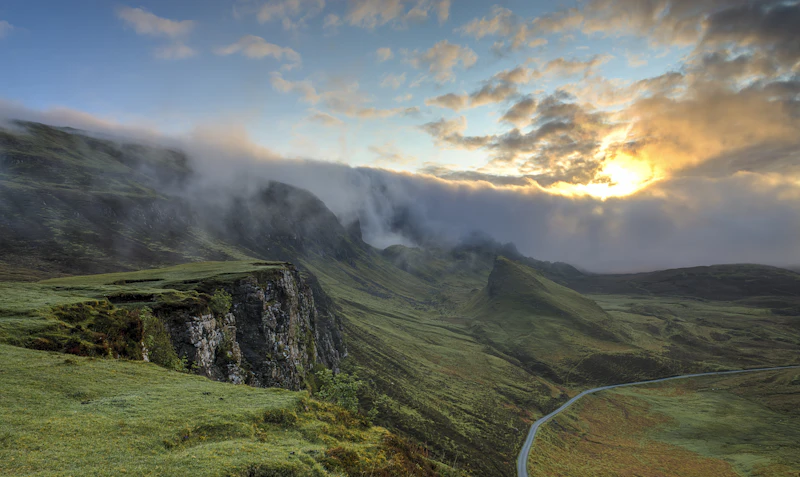
While Lake Bled attracts millions of tourists with its church island and castle, the nearby Lake Bohinj offers a wilder, more serene alpine experience. Situated entirely within the Triglav National Park, Bohinj is a massive glacial lake enclosed by towering limestone cliffs. The water is exceptionally clean and crystal-clear, reflecting the deep green of the surrounding spruce forests. It is a haven for hikers, kayakers, and those seeking quiet reflection in nature, far from the crowd-clogged boardwalks of Bled.

6. Dinan, France: Brittany's Walled Medieval Sanctuary
Dinan is one of the most complete medieval towns in Brittany, perched on a hill overlooking the River Rance. Its nearly three kilometers of intact stone ramparts enclose a maze of half-timbered houses that date back to the 15th century. The famous Rue du Jerzual, a steep cobbled street that connects the old town to the river port, is lined with glassblowers, woodcarvers, and weavers. In the early morning, when the fog rises from the river and clings to the stone facades, the town feels completely transported back in time.

7. Puck, Poland: The Baltic's Best Kept Secret
Located on the Baltic coast, Puck is a historic port town that has retained its quiet, maritime character. Unlike the noisy beach resorts of Sopot or Hel, Puck offers a calm harbor, beautiful sandy beaches, and a slow-paced town square. The air is fresh and smells of salt spray and pine needles. The shallow, protected bay is perfect for windsurfing and sailing, while the town's red-brick Gothic church stands as a historic sentinel over the shoreline.

8. Terracina, Italy: Roman Ruins and Coastlines on the Appian Way
While the Amalfi Coast is packed with influencers and high prices, the coastal city of Terracina offers a classic Italian seaside escape. Sited on the historic Appian Way, Terracina is filled with ancient Roman ruins, including a beautifully preserved forum and the imposing Temple of Jupiter Anxur high on Mount Sant'Angelo. Below the historic old town, wide sandy beaches stretch along the Tyrrhenian Sea, where local families gather in the evenings to enjoy fresh, locally caught seafood.

9. Haapsalu, Estonia: Wooden Lace and Mud Baths
Haapsalu is a peaceful seaside resort town on Estonia's west coast, famous for its historic wooden architecture, mud baths, and 13th-century castle ruins. The town is defined by its delicate, carved wooden lace decorations on houses lining the quiet streets. A wooden seaside promenade stretches along the coast, offering beautiful sunset views over the Baltic Sea. Haapsalu has been a place of healing and rest since the Russian Tsars visited in the 19th century, and it still maintains a gentle, wellness-focused atmosphere.

10. Mullaghmore, Ireland: Sligo's Windswept Coastal Frontier
Located in County Sligo, Mullaghmore is a dramatic peninsula jutting out into the Atlantic Ocean. Dominated by the imposing profile of Classiebawn Castle, the village features a quiet fishing harbor, sandy beaches, and dramatic sea cliffs. In the winter, Mullaghmore is world-famous as a big-wave surfing spot, attracting surfers from around the globe to ride its massive waves. During the summer, it offers peaceful coastal walks, fresh seafood, and views of the iconic flat-topped Benbulbin mountain.

🚀 Responsible Travel Tip: Minimizing Your Footprint
To help protect these villages, always stay overnight in local guesthouses (rather than taking day trips), buy from family-owned bakeries and craft shops, and avoid geotagging specific coordinates on social media. Leave no trace, and let these hidden gems remain hidden for generations to come.