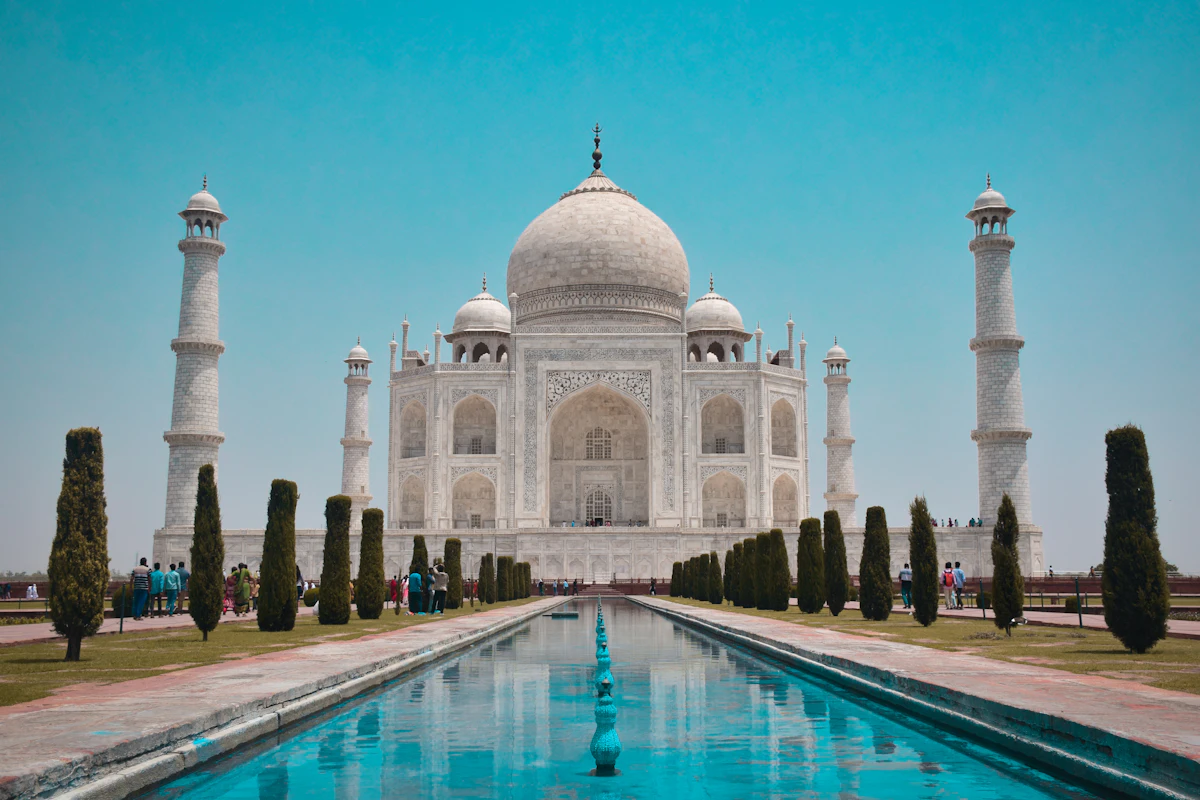
Travel, at its absolute best, is not a collection of checkmarks on a bucket list. It is a slow peeling back of layers—a series of quiet, unscripted moments that shift how you view the world. It's the hum of a foreign train, the smell of woodsmoke in a mountain village, or the way dawn light strikes a cobblestone street. In this guide, we explore ten extraordinary destinations around the globe that offer more than mere sightseeing. These are places that invite contemplation, encourage curiosity, and linger in your memories long after you have packed your bags.
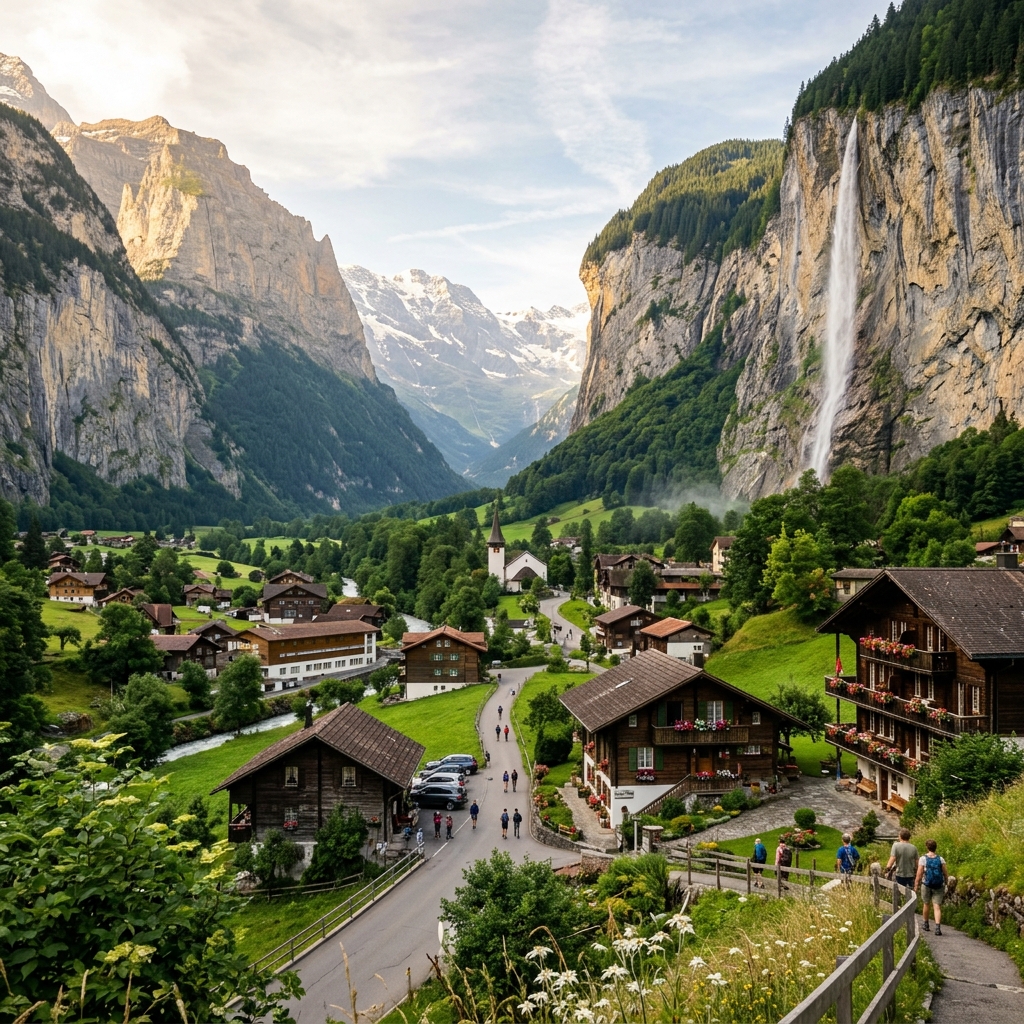
1. Lauterbrunnen, Switzerland: The Valley of Seventy-Two Waterfalls
Deep in the Bernese Highlands, Lauterbrunnen lies nestled in a U-shaped valley carved by receding glaciers. Sheer granite cliffs rise nearly a thousand meters on either side, their vertical faces draped with cascading glacial meltwater. The town smells of fresh alpine pine, wet slate, and the rich woodsmoke of century-old chalets. Hiking the high-altitude trails toward Mürren or Wengen, you hear the distant chime of cowbells bouncing off the rock walls, and the thunderous roar of Staubbach Falls echoing through the valley.
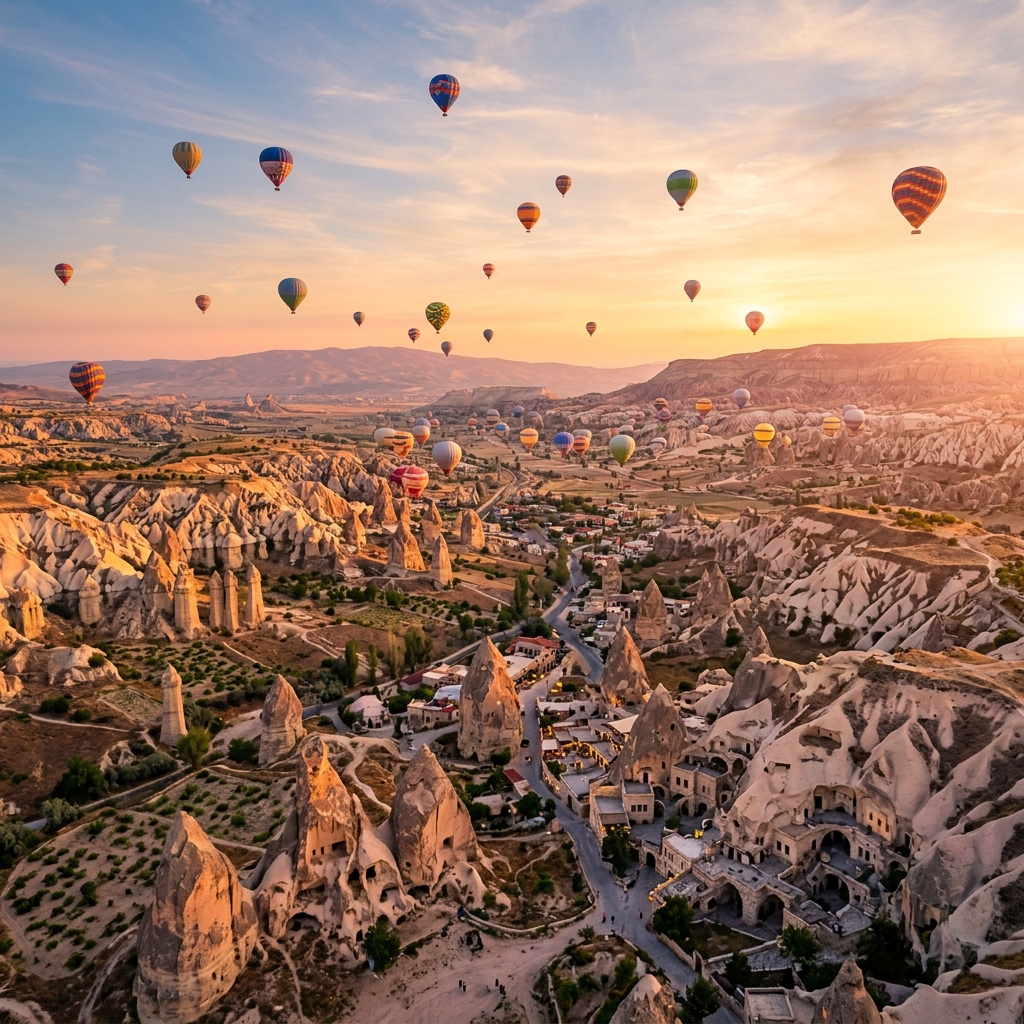
2. Cappadocia, Turkey: The Fairy Chimney Spires
Carved by centuries of wind and volcanic ash, Cappadocia is a geological fairy tale in central Anatolia. Here, ancient civilizations hollowed out houses, churches, and entire underground cities from the soft, ochre-tinted stone. Dawn arrives with the silent drift of hundreds of hot air balloons, casting long shadows across the ridges of Love Valley and Göreme. The air is dry and cool, smelling of clay, Turkish coffee, and wild sage, while the stone structures glow in shades of soft amber and copper.
3. Machu Picchu, Peru: The Citadel in the Clouds
Tucked away between the sheer cliffs of the Peruvian Andes and the dense Amazonian jungle, Machu Picchu stands as a monument to Incan masonry. The granite ruins cling to a narrow ridge overlooking the rushing Urubamba River. Dawn here is a quiet revelation: as the heavy mist lifts, the stone walls and emerald agricultural terraces emerge from the clouds. The air is damp and clean, thick with the scent of wet moss, eucalyptus, and tropical orchids.

4. Reynisdrangar, Iceland: The Black Beach and Basalt Columns
Along Iceland's wild southern coast, the black sands of Reynisfjara run into the cold Atlantic. Massive basalt columns—carved into neat, hexagonal tiers by cooling lava—rise from the cliffs, while the jagged basalt sea stacks of Reynisdrangar stand like sentinels in the surf. The beach is a place of raw contrast: white sea foam crashing against jet-black volcanic pebbles, the smell of sulfur and salty brine, and the eerie, metallic creaking of gulls nesting in the cliffs.

5. Lofoten Islands, Norway: Red Cabins on the Fjords
Rising like granite teeth from the cold waters of the Norwegian Sea, the Lofoten Islands lie well within the Arctic Circle. Here, traditional red-painted wooden fishing cabins, known as rorbuer, cling to stilted frames over the quiet harbors. The air is crisp and salty, smelling of dried stockfish, sea pine, and log fires. Looking out over Reinefjorden under the midnight sun, the water is a steel-blue mirror reflecting snow-dusted peaks that drop vertically into the ocean.

6. Milford Sound, New Zealand: The Ancient Fiord
Described as the eighth wonder of the world, Milford Sound is a massive glacier-carved fiord on New Zealand's South Island. Towering peaks, including the iconic Mitre Peak, rise vertically out of the ink-dark water. The region is famously wet, receiving meters of rainfall each year, which feeds hundreds of temporary waterfalls that tumble down the sheer cliffs. The air is fresh and cold, smelling of fern fronds, wet granite, and mossy mountain beech trees.

7. Giza & Luxor, Egypt: Temples of the Nile
For over four thousand years, the Great Pyramids of Giza have stood as a testament to engineering and the pharaohs' quest for immortality. Further south along the Nile, the temples of Luxor and Karnak feature avenues of sphinxes and towering hypostyle halls. The air here is dry and heavy with the scent of baked dust, dry reeds, and sweet mint tea, while the massive sandstone blocks turn a deep copper color as the sun sinks below the Sahara.

8. Banff & Lake Louise, Canada: Turquoise Glacial Lakes
High in the Canadian Rockies, the lakes of Banff National Park are famous for their brilliant, turquoise color—a result of light reflecting off fine 'rock flour' suspended in the glacial meltwater. Lake Louise and Moraine Lake lie surrounded by pine forests and jagged mountain peaks. The air is cold and sweet, smelling of spruce needles, melting snow, and mountain cedar, while red canoes slide silently across the glassy, teal water.

9. Jaipur & Udaipur, India: Palaces of Rajasthan
In the desert state of Rajasthan, the cities of Jaipur and Udaipur are filled with centuries of royal history. Jaipur's pink terracotta buildings and the intricate facade of the Hawa Mahal palace stand in contrast to Udaipur's white marble Lake Palace, which floats on the calm waters of Lake Pichola. The air is warm and filled with the scent of cardamom spices, incense, and rosewater, while the city walls glow in shades of deep rose and ivory.
10. Cape Town & Safari, South Africa: Table Mountain and the Bushveld
Bounded by the Atlantic Ocean and the flat-topped ridge of Table Mountain, Cape Town stands as one of the world's most beautiful cities. To the northeast, the grasslands of Kruger National Park host lions, elephants, and leopards roaming free. The air is clean and breezy, smelling of salt spray, wild rooibos shrubs, and dry acacia leaves, while Table Mountain stands wrapped in its famous tablecloth of rolling white clouds.

🚀 Adventure Tip: Slow Travel
When visiting these popular destinations, resist the urge to rush. Spend at least three nights in each place. Wake up at dawn to experience the streets before the crowds arrive, and seek out local, family-run eateries off the main tourist streets.