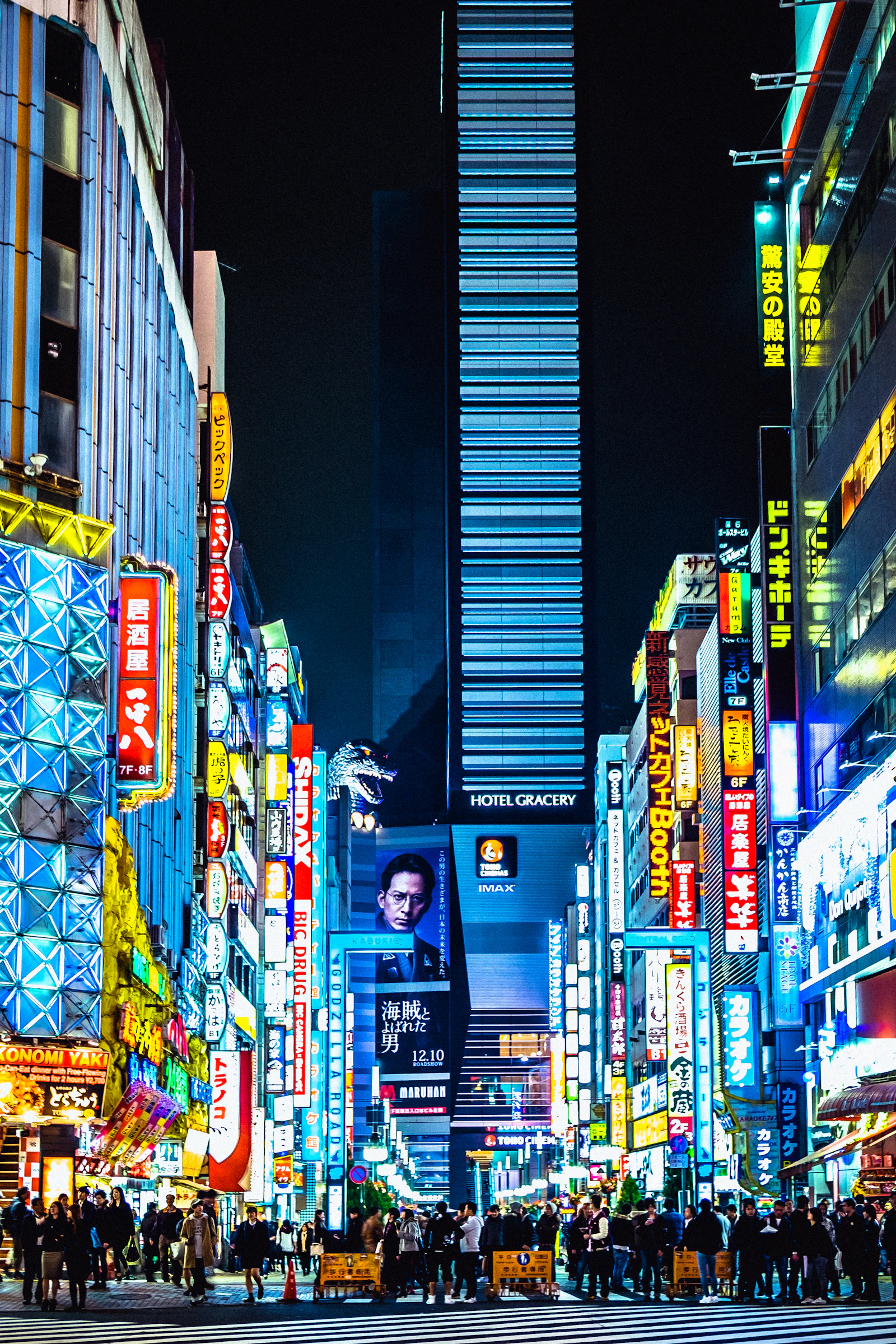

Tokyo is less of a single city and more of a massive constellation of distinct neighborhoods, each with its own character, style, and history. With 14 million people within city limits and over 37 million in the greater metro area, Tokyo is the largest city on the planet — yet it manages to feel orderly, clean, and astonishingly navigable. In the west, Shibuya and Shinjuku showcase the cutting-edge fashion, giant neon screens, and bustling nightlife of modern Japan. In the east, neighborhoods like Asakusa and Yanaka retain a retro, wooden-architecture atmosphere that feels like stepping back into the Edo period. To truly experience Tokyo, you must learn to navigate these diverse districts.
West Tokyo: Neon, Fashion, and Nightlife in Shibuya & Shinjuku
Shibuya is the youth and fashion capital of Tokyo. It is home to the famous Shibuya Scramble Crossing, where up to 3,000 people cross the street simultaneously every two minutes beneath towering video screens that could light a stadium. The best view is from the second-floor Starbucks, the Mag's Park rooftop, or the new Shibuya Sky observation deck. Once across, dive into the dense back streets of Shibuya's Center-gai for fast fashion, crêpe stands, and neon arcade halls. Nearby lies Harajuku, the birthplace of Japanese street fashion subcultures. Takeshita Street is a sensory overload of cotton-candy crepes, outlandish costumes, and vintage shops. A five-minute walk away is the serene Meiji Shrine, where early mornings bring a profound quiet under towering cedar trees.
Shinjuku is Tokyo's administrative and entertainment core, and it never really sleeps. The east side of Shinjuku Station is neon-drenched and frantic, home to Kabukicho — the city's red-light and entertainment district — and the world-famous Golden Gai, a labyrinth of 200 tiny bars each seating just six to eight people, where writers, musicians, and travelers share shots of whisky under paper lanterns. The west side of Shinjuku Station is sleek and corporate, anchored by the Tokyo Metropolitan Government Building, which offers free panoramic observation decks at night.

East Tokyo: History, Temples, and Pop Culture in Asakusa & Akihabara
For a taste of old Tokyo, head to Asakusa. Here you will find Senso-ji, a grand Buddhist temple dedicated to the Bodhisattva Kannon, reached by passing through the iconic Kaminarimon (Thunder Gate) and down the Nakamise shopping street, a 250-meter corridor of traditional food stalls selling senbei crackers, ningyo-yaki cakes, and handmade paper goods. Arrive before 8:00 AM to experience the incense-filled temple grounds in near-total silence, before the daily procession of tourists begins. Nearby in the Sumida River area, the Tokyo Skytree — the world's tallest broadcast tower at 634 meters — offers views on clear days that extend all the way to Mount Fuji.
A short subway ride south is Akihabara, the global capital of anime, manga, gaming, and vintage electronics. Eight-story buildings advertise their merchandise on massive LED banners — retro Famicom games on the ground floor, idol group merchandise one level up, and maid café recruitment on the next. The neighborhood has evolved from a pure electronics district into a comprehensive subculture hub. Visit Super Potato for vintage gaming nostalgia, Mandarake for rare manga and collectibles, and the many gachapon vending machine corridors for affordable souvenirs.

North Tokyo: Yanaka's Old Shitamachi and Ueno's Museums
The neighborhood of Yanaka is arguably Tokyo's most authentic surviving shitamachi (old downtown). Spared from the 1923 earthquake and the WWII firebombing that leveled much of the city, Yanaka's wooden houses, old temples, family-run tofu shops, and sleepy cemetery are remarkably intact. The Yanaka Ginza shopping street is beloved by locals for its down-to-earth atmosphere and menya-style lunch counters. A 10-minute walk south brings you to Ueno, home to one of Japan's finest concentrations of museums, including the Tokyo National Museum (the world's largest collection of Japanese art), the National Museum of Western Art, and the Ueno Zoo.
“Tokyo rewards the curious wanderer. The greatest experiences here are not in the guidebooks — they are in the unnamed alley, the third-floor restaurant with no English sign, the temple garden found by accident.”— Liam Sterling
Tokyo Cuisine: From Michelin Stars to Stand-and-Eat Noodle Stalls
Tokyo has more Michelin-starred restaurants than any other city on earth — more than Paris, London, and New York combined — but some of the most transcendent meals are found for under ¥1,000 in tiny basement restaurants or the alleys underneath the train tracks known as yokocho. Sample charcoal-grilled yakitori skewers in Omoide Yokocho (Memory Lane) in Shinjuku, where the smoke from a dozen tiny grills fills the narrow alley. Stand at a wooden counter for ramen at Tokyo Station's Ramen Street, where eight celebrated regional ramen shops compete side by side. For the ultimate Tokyo culinary experience, book an omakase sushi counter where the chef hand-selects each piece based on the morning's Toyosu market haul.
Beyond restaurants, Tokyo's convenience stores (conbini) are an entire culinary world. 7-Eleven, Lawson, and FamilyMart sell onigiri (rice balls), fresh sushi, hot fried chicken, and warming soups with a quality that would shame many restaurants in other countries. For slightly more formal budget eating, tonkatsu (breaded pork cutlet) sets at Maisen in Omotesando, soba noodles at basement Ginza restaurants, and curry rice at chain restaurants like Coco Ichibanya offer tremendous value. Tokyo's food scene rewards every budget.
🚀 Food Tip: Book Omakase Months Ahead
Tokyo's top omakase sushi restaurants (like Sukiyabashi Jiro or Saito) require reservations 3–6 months in advance, often through a hotel concierge or the Tableall platform. Walk-in sushi counters in Tsukiji Outer Market offer a more accessible but still exceptional alternative.
Best Day Trips from Tokyo: Nikko, Kamakura & Hakone
Tokyo's excellent rail connections make several world-class day trips possible. Kamakura, 50 minutes south by train, is a seaside temple town anchored by the Great Buddha (Kotoku-in) — a 13-meter bronze statue meditating serenely in an open mountain valley. The hiking trails connecting Kamakura's 65 temples make it ideal for a full day of exploration. Nikko, 2 hours north, is home to the extraordinarily ornate Tosho-gu shrine complex, a UNESCO World Heritage site dripping in gold leaf, lacquerwork, and intricate carvings. Hakone, 1.5 hours southwest, combines mountain hot springs (onsen), views of Mount Fuji, the volcanic Owakudani steaming valley, and a beautiful ropeway and lake cruise.
Practical Tokyo: Getting Around, Staying Safe, and Sleeping Smart
Tokyo's train system is a marvel of precision and complexity. The Tokyo Metro and Toei subway lines cover most tourist areas, while JR lines connect to suburbs and neighboring cities. Load money onto a Suica or Pasmo IC card (available as a digital wallet on iPhone or Android) to tap in and out of every line without buying individual tickets. Taxis are safe and honest but expensive — use them only for late-night trips when trains have stopped, roughly between midnight and 5:00 AM. For accommodation, stay in Shinjuku or Shibuya for nightlife and access, Asakusa for atmosphere and history, or Ginza for luxury. Budget-conscious travelers should explore the 'business hotel' chains — Toyoko Inn, APA Hotel, and Dormy Inn — which offer clean, compact rooms with excellent breakfast options for ¥8,000–12,000 per night.
🚀 City Tip: Navigating the Subway
Download the 'Tokyo Subway Navigation' app. It works offline and shows you the absolute fastest route between stations, including which car is closest to the stairs for your transfer. Station signs are in both Japanese and Roman alphabet, making navigation far easier than people expect.